The Middle East and North Africa are undergoing a textile revolution, blending rich heritage with digital innovation. Expert Debbie McKeegan highlights the shift from analogue to on-demand manufacturing, driven by sustainability, nearshoring, and the ‘Amazon Generation’. To lead globally, regional players must invest in cutting-edge technology, upskill workforces, and embrace circularity. The Middle East and North Africa hold a rich and storied heritage in textile production, with roots stretching back thousands of years. Known for its skilled craftsmanship, the region has long been a renowned for textile artistry. Today, the region with a population of over 500 million, is once again positioning itself as a future leader in the adoption and development of cutting-edge manufacturing within the textile sector.
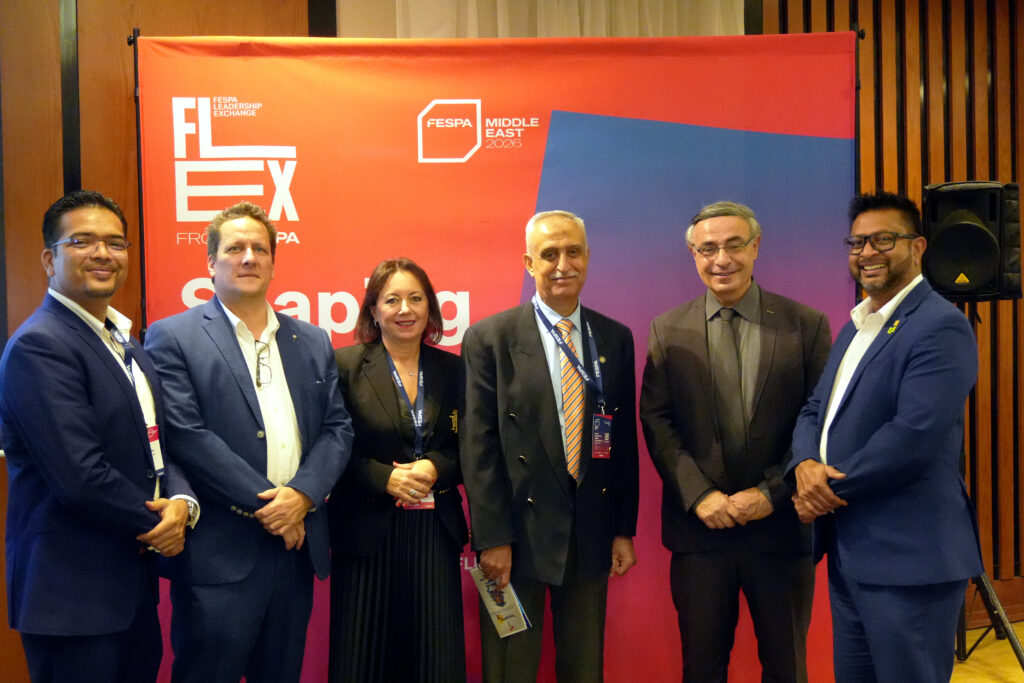
With significant investment in digital printing solutions, automated production and an increasing commitment to sustainability, the region is redefining traditional practices while meeting the demands of evolving markets. This seamless blend of heritage and innovation primes the Middle East as a strategic player in shaping the global textile industry’s future. At the recent FESPA Flex Middle East event, Debbie McKeegan, FESPA’s Textile Ambassador, met with leaders and innovators in the sector to discuss the development and digital transformation of the industry. With decades of experience and a print legacy going back many decades, she shared some serious insights on moving from analogue to digital. Her presentation wasn’t just about digital technology, market shifts and innovation – it was a call for the industry to modernise, go digital, and rewire the supply chain.